During a couple of challenging years for forage, sheep farmer James Horn has turned to blood testing his flock pre-tupping to identify deficiencies in essential nutrients including selenium, cobalt and iodine to help target supplementation whilst also ensuring his sheep maintain a healthy body condition score.
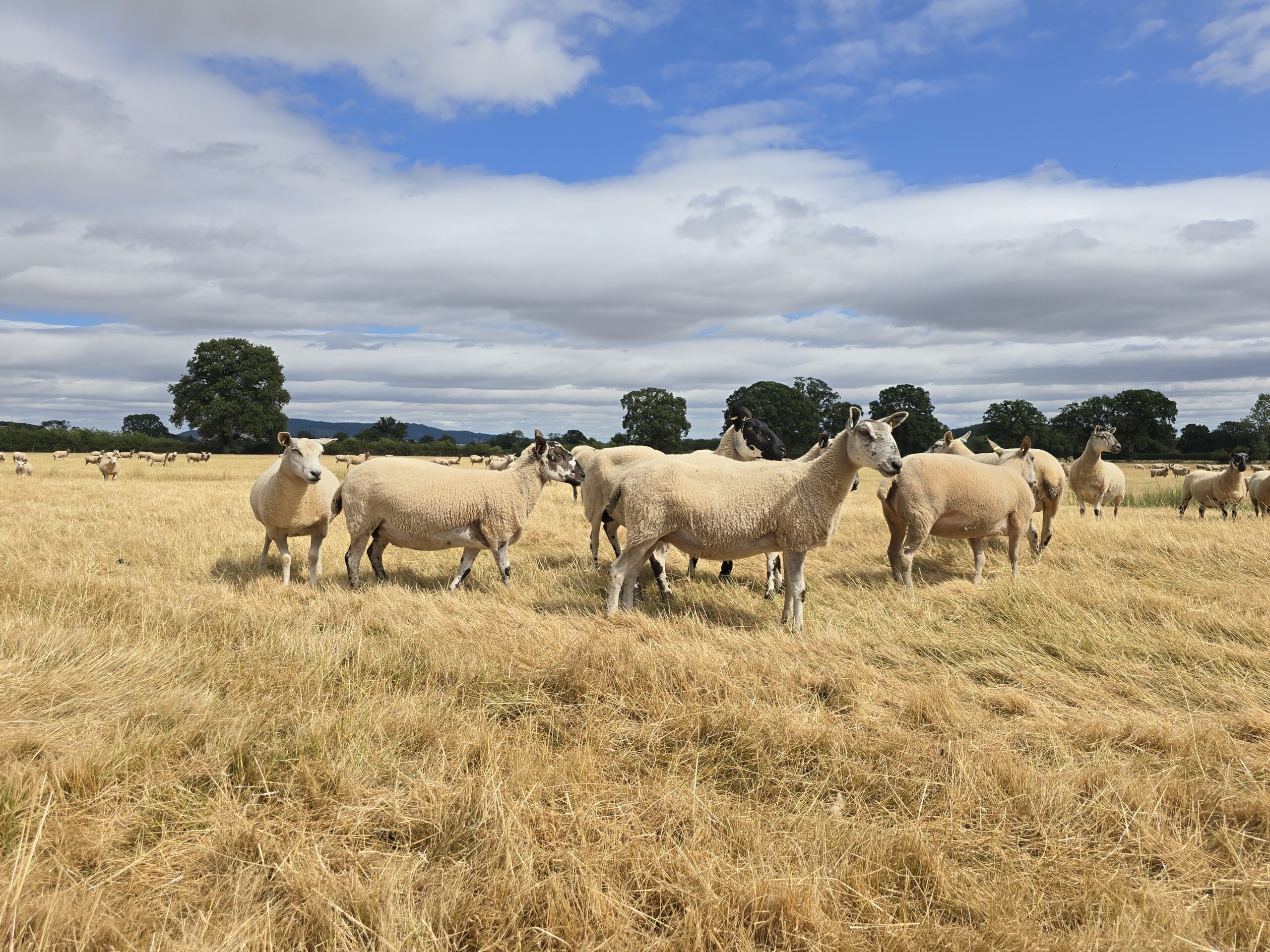
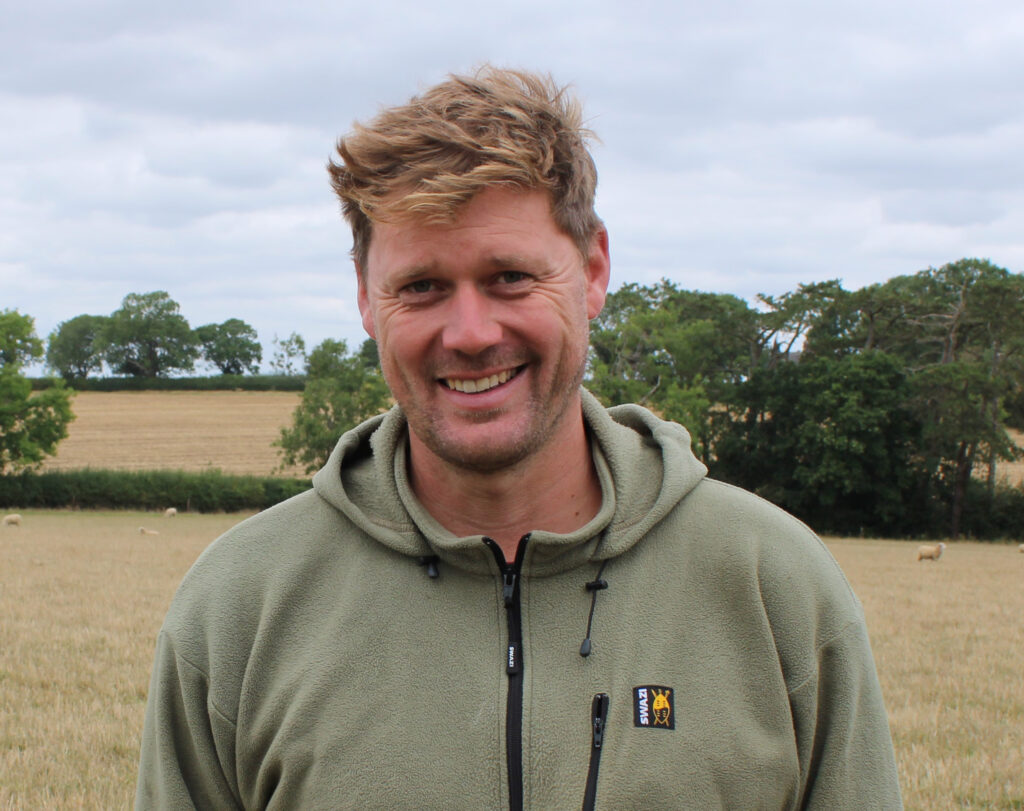
James lambs 1000 Romneys on 400 acres of rented and tenanted land in Northamptonshire. Following a shared farming agreement, he increased his flock and sold his North Country Mules to concentrate on Romneys, keeping 250 ewe lambs each year. Whilst forage is normally not a concern in the region, the last two years have brought both flooding and drought which caused James to look more closely at the body condition of his ewes going into tupping.
“Last year was wet and the flock was low on selenium and cobalt – and because selenium is important for fertility we used a drench and a bolus. I blood tested eight weeks ahead of tupping and that provided the information needed to judge the impact of the wet weather on forage quality,” he says.
The wet conditions of 2024 were likely to have caused soil leaching, which subsequently led to forage being low in selenium and this was reflected in the blood tests. James chose to use a mineral drench to quickly top up the flock. He subsequently used a bolus to continue the supplementation of trace elements which enabled the flock to bounce back in time for tupping.
“In the past there has been an abundance of grass and I have not considered the need for much supplementation because the flock has been in good condition heading into tupping. However, it was interesting to see how changes in weather had affected forage quality and the body condition of some ewes to the point where supplementation was necessary,” he says.
A year on and the weather has dealt the Midlands a very different situation. Widespread drought has been suffered most across the middle band of England in 2025, and this has compromised forage quality and quantity.
“Without blood testing it would be very difficult to ascertain what the sheep are deficient in. I don’t want to see body condition score drop as this will impact scanning percentage, but I also don’t want to waste money using supplements that aren’t needed,” he says.
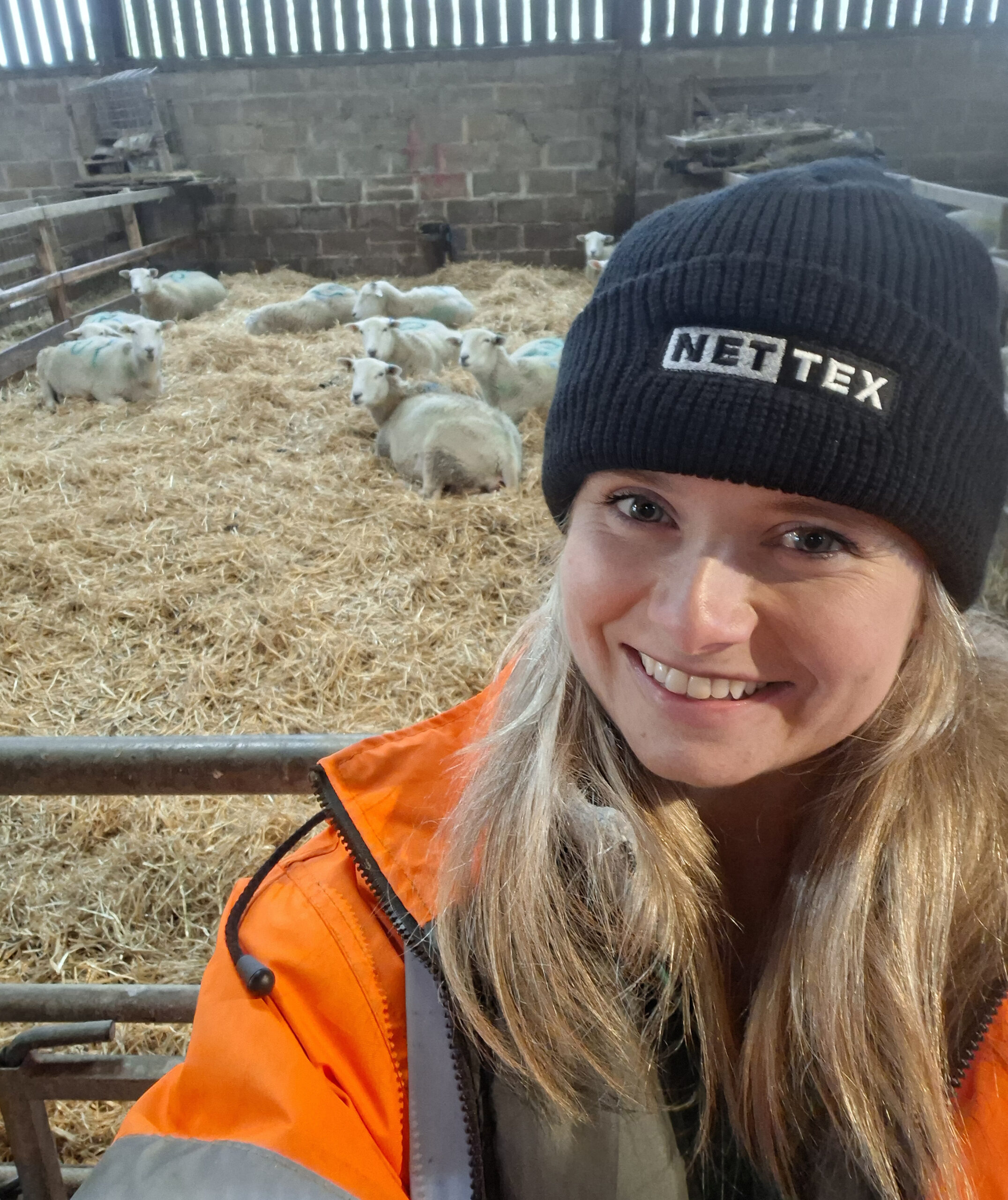
Nettex Technical Associate, Sarah Gallimore, visited James to better understand the situation and evaluate the impact of the forage gap. Seeing the blood tests, she was able to ascertain that the flock was deficient in selenium and iodine this year and that other shortages such as cobalt could be of concern.
“Last year James blood tested and found the ewes were particularly deficient in selenium, justifying the use of a bolus. This year, he anticipated they may still be deficient in selenium and so has rightly had the flock tested again. However, whilst selenium is still of concern this year, he also tested iodine levels for the first time which were also low, suggesting the need for a bolus or drench which is high in both,” says Sarah.
Taking an analytical approach has provided James with the data he needs to accurately manage the diet of the flock ahead of tupping and make sure he is not supplementing unnecessarily or supplementing with the wrong nutrients.
“I test haylage and silage to establish the quality and reduce concentrate costs. However, this didn’t help identify the slow cycling in the flock last year. Because the flock only gets grass, I have to be more mindful of body condition score at key times, and, whilst it is common to feed supplements at lambing, I have found it equally important to do so pre-tupping,” he says.
He tups late compared to some, aiming to be finished by the middle of November. This is largely because the flock lambs outside and being a little later helps to mitigate the chance of extreme cold snaps in spring.
“By blood testing in September, eight weeks ahead of tupping, I can see what the sheep are deficient in and choose the best supplementation. The marked difference in weather over the last two years has demonstrated how important this is to flock health and breeding,” he says.
Dry conditions can limit the availability of iodine in the soil and therefore the impact of drought leading up to the blood tests may have contributed to an iodine deficiency that, without the tests, could have been missed. Looking at the results from the tests, Sarah suggests that the trace element status of the flock has improved following last year’s supplementation but significant shortfalls were still present.
“Overall, James’s flock had improved, but several ewes sampled were still deficient in selenium, highlighting the need to provide supplementation again. This year, blood iodine levels were also tested for the first time and were low across the flock, which may be partly due to the extremely dry conditions seen across the spring and summer. This identified the requirement to supplement the entire flock with iodine this year, not just the ones going onto forage crops, which would be standard practice had the testing not been done,” she says.
She further suggests that whilst vitamin B12 levels were good across the tests, the average was in decline, showing a potential downturn in cobalt status that may be a direct consequence of the dry weather.
“Understanding individual deficiencies helps to target supplementation. Rather than use a blanket product that contains all the different minerals and trace elements, James has been able to target what his flock needs and can save money by doing so,” she adds.
Forced to consider alternative forage options due to a shortage of grass, James has planted 200 acres of stubble turnips for the flock to graze in the autumn and winter.
“This is another reason why I wanted the blood tests. By changing the forage I am aware that there will be a dietary shortfall in iodine by the flock grazing stubble turnips. I still want to blanket bolus the ewe lambs but the blood tests will also help me to decide what level of supplementation the rest of the flock will be given,” he concludes.