An upland farm has seen encouraging results from a pre-lambing calcium drench, helping to reduce dependence on traditional pharmaceuticals.
East Kiromy Farm, in the north of Scotland, has focused more on the diet of its flock of ewes on the approach to tupping, therefore improving body condition, whilst the use of Calci-Ewe, a calcium drench, around lambing has supported ewe health.
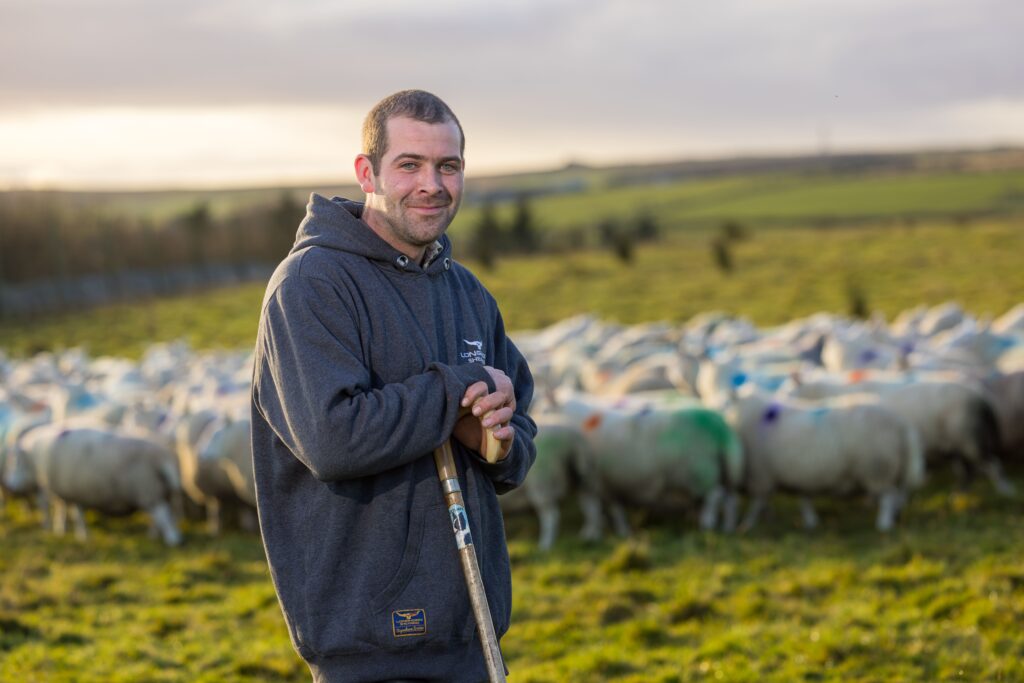
Neil Mackay and Caroline Swanson farm 300 acres with a flock of 550 breeding Hill Cheviots along with a beef herd.
“On the approach to tupping we have started incorporating a feet and fertility bucket along with premium ewe rolls, which has seen the body condition of ewes improve significantly at this key time in the sheep calendar. We also found that ewes struggling before lambing responded well to the calcium drench,” says Mr Mackay.
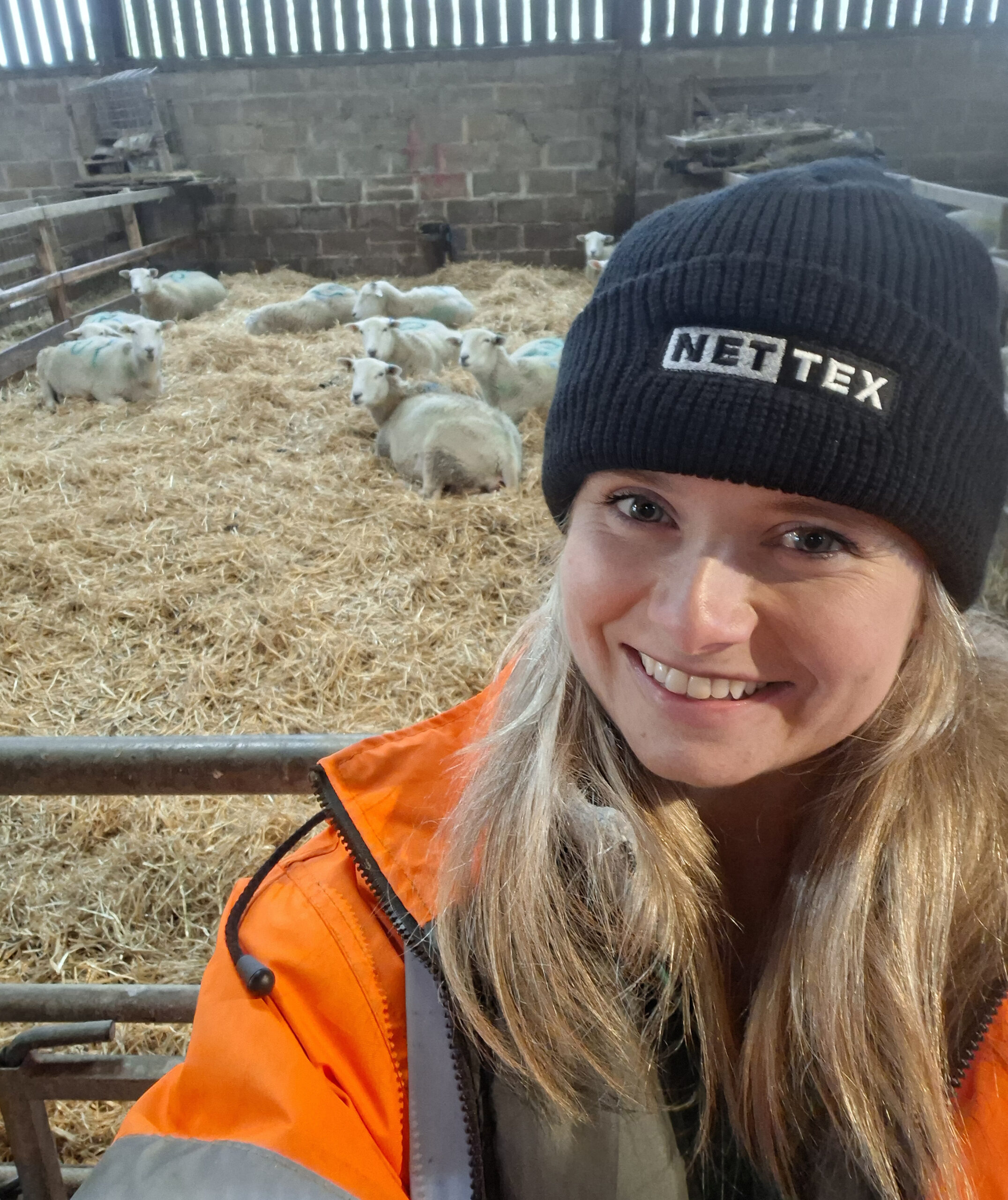
Lambing takes place indoors throughout April and May and it was during this time that there was cause for concern with a small number of ewes. “When we brought the flock in towards the end of their pregnancy we saw a number of ewes standing alone and not moving. The stress of bringing them off the hill and the pregnancy was evident, but the Calci-Ewe in conjunction with a twin lamb solution worked well and brought them round,” he says.
“We needed to administer the drench to just 12 ewes, a lower than normal number which is more than likely a result of the enhanced diet we have invested in. In previous years we have relied on advice from our vet to use antibiotics. However, these are no longer a viable or sustainable option for the farm and we have found that using supplements, along with managing body condition, is working well,” he says.
The farm is always looking for new ways to improve ewe health and lambing percentages. Mr Mackay suggests that this has led to him seeking out and using alternatives to traditional options.
“We have never wanted to rely on pharmaceuticals and have always managed the flock to minimise the use of antibiotics. Being able to use a product for ewes struggling before lambing that is cost effective and readily available from a local retailer has been a good option for us,” he says.
“It is good to have products on the market that offer the energy ewes need to get through pre-lambing exhaustion. Furthermore, the variable weather we are more commonly experiencing, especially the heavy rain, have led us to believe that forage quality may also have been reduced, but the drench of calcium, magnesium and niacin made up for this,” he adds.
The continually wet conditions and variable temperatures experienced on not only this farm but throughout the UK have led to widespread concern over soil leaching and forage quality. Depleted vitamin, mineral and trace element levels in soil and, therefore, forage has led many to look at alternative ways to supplement livestock diets.
“We are yet to have our forage tests back this year, but I am certain that this year has been a challenge for the flock to get enough from forage alone. This was clear to see in the ewes that received the calcium drench ahead of lambing and it is something that we are now trying to compensate for,” he says.
Overall, the farm’s scanning rates have improved since diet, along with vitamin, mineral and trace element balance, has been addressed. This has also cut the cost of relying on antibiotics.
“We have not gone to the length of blood testing because we believe that by managing diet and using supplements like Calci-Ewe, we can provide what the flock needs and reduce both our reliance on, and the cost of, traditional pharmaceuticals,” he concludes.