A mixed farm has improved post calving health by using an electrolyte drink to help third and fourth lactation cows feed faster and replenish lost fluids. The energy boost has seen yield improvements, especially from cows that calved in late summer and autumn following grazing.
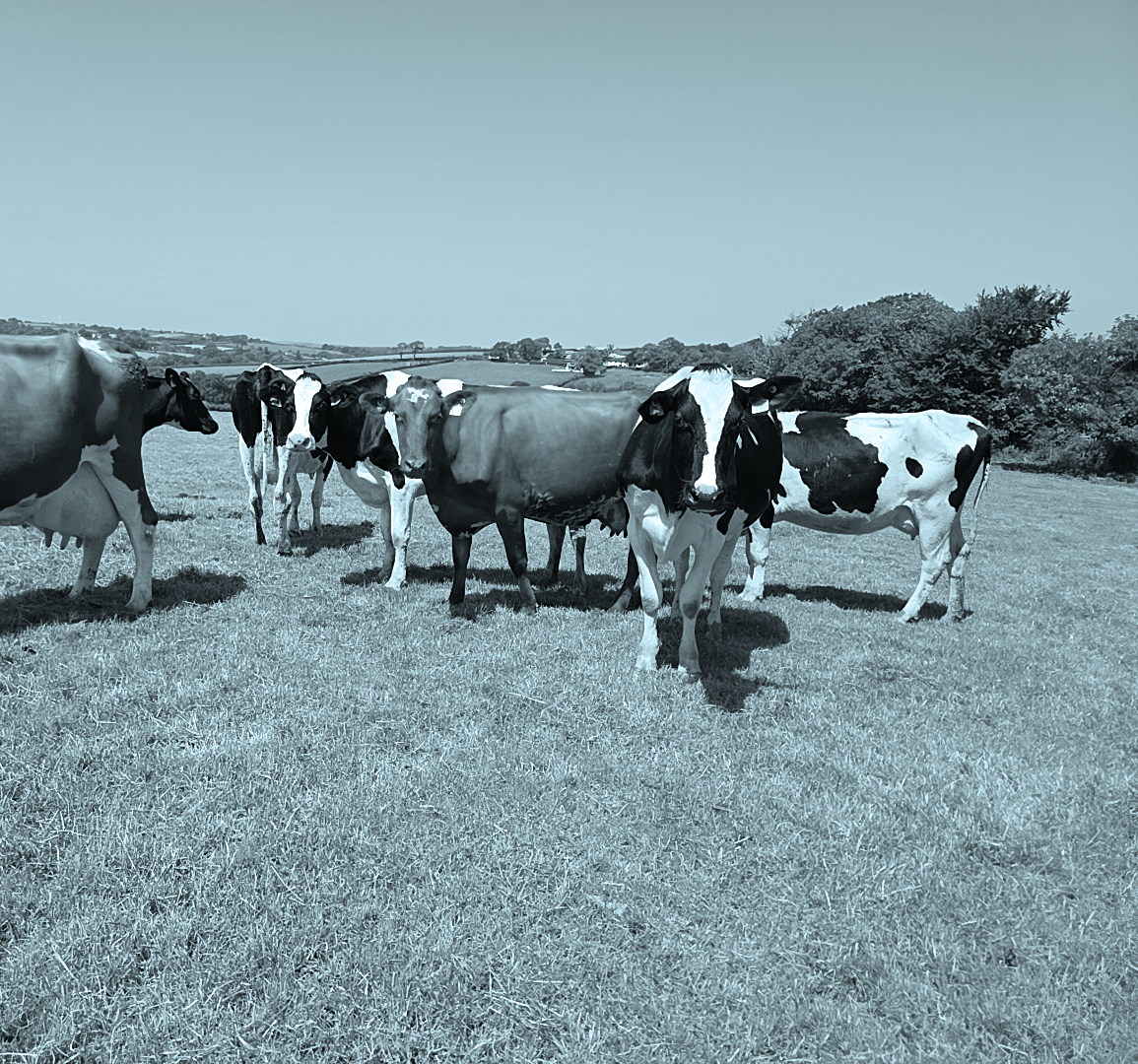
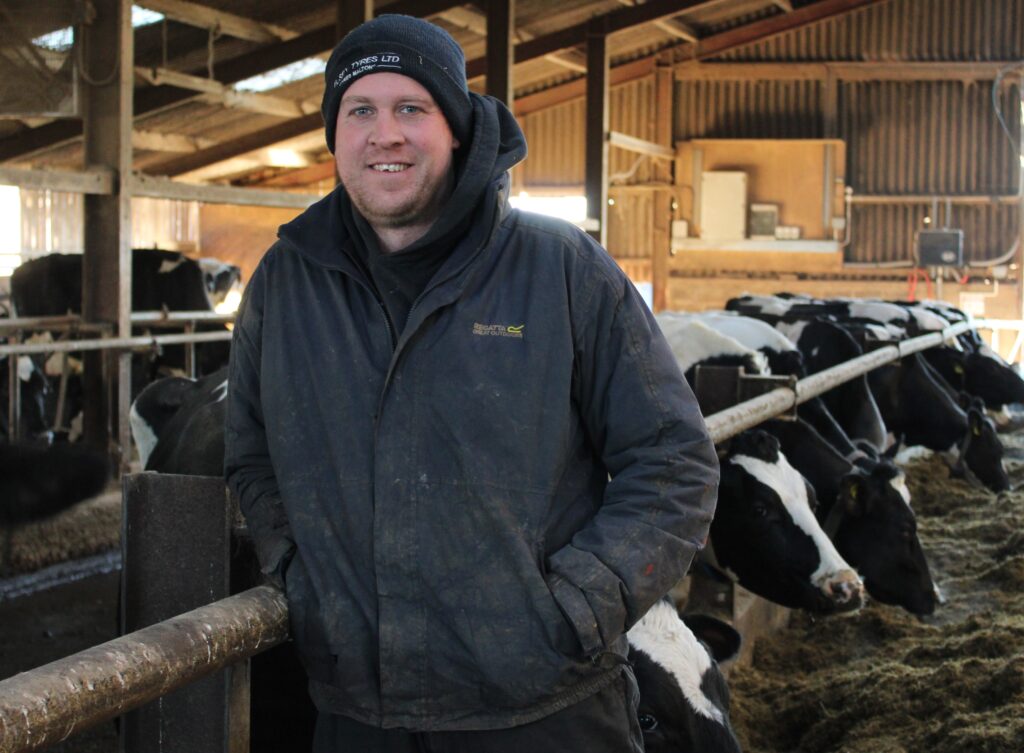
In partnership with parents Paul and Pam, Rob Mason milks 190 cows from a herd of 220 at Hoskinshire Farm, in Lancashire. The Holsteins yield 10,200 litres per year and are grazed in the summer. With an all year round calving system he began to find that cows calving after grazing were recovering slowly, which was having a detrimental effect on cow health and yield from early milkings.
“Grass quality was down last year, and this was seen in silage and grazing grass. We were ten days late to take our first cut and protein values were down from 15.3 to 12.8. This, and the short grass we had going into autumn, had an impact on body condition, especially for cows that were calving,” he explains.
Introducing Fresh Calver, a post calving drink, has helped to replenish vital energy and electrolytes which has had a knock-on effect to cows’ willingness to feed immediately after calving. The drink was given to 20 cows that calved in September and October.
“Cows that grazed from April, and calved in September, showed signs that grass quality had led to a dip in body condition and they were slow to rally after giving birth. However, cows that had the drink were noticeably heavier in the udder and looked fuller in the belly too,” he says.
He suggests that cows in previous years, and those that calved in August before he used Fresh Calver, were 48 hours behind where he would have expected them to be after calving.
“We have made adjustments in recent years by providing dry cows with a cow roll . Dry cows also get more chopped straw in the ration to provide more fibre and dry matter. But, even with all of this, we still found the cows that calve toward the end of summer and into early autumn have poorer body condition,” he says.
In previous years he has used a bolus supplement for third and fourth calving cows. Whilst this provided a slow release of essential vitamins and minerals, Mr Mason suggests that it was both a challenge and stressful for the newly calved cow, making it less effective at helping the cow when she needed the boost the most.
“It was hard work to get the cows into the crush to administer the bolus. It did help but we felt like something was needed immediately after calving, so we introduced the drink,” he says.
Cows can lose around 60 litres of fluids from the uterus in the form of blood and uterine fluids. The majority is water, leaving the cow needing to rehydrate. However, electrolytes are lost too. Mr Mason has found that using the drink to top up electrolytes and give the cow an energy boost has helped with the first few milkings and also helped the cow to eat more
“Cows that had the drink were quicker to drink, eat and, crucially, have the calf feed to get important colostrum sooner. The other big benefit is that the drink is easy to give the cows, and they love it, so it’s gone in no time,” he adds.
In his system, cows are separated to dry between four and five weeks from calving. At this point the diet is adapted because the cows no longer receive concentrate in the parlour.
“We feed to yield in the parlour, so cows averaging 50 litres will be given around 12 kilos of concentrate and a 35-40 litre first lactation heifer will be given 8 kilos. In contrast, dry cows have more chopped straw, and two weeks ahead of calving we give them a dry cow roll,” he says.
The farm is hoping to grow to milk 210 cows and has installed 36 new cubicles to facilitate the expansion. Mr Mason intends to stay with his three-cut silage system and, despite the 2024 maize crop being disappointing, he also intends to continue with the farm’s 40 acres of maize along with 25 acres of spring barley.
“With silage quality and grazing land under threat from changes in climate, we see the need to use supplements more. It is vital that the herd maintain good body condition throughout the year and especially after calving. It is encouraging to have additions like this drink to help the situation and it is something we will be using going forward,” he concludes.